Milk and Cholesterol: Separating Fact From Fear
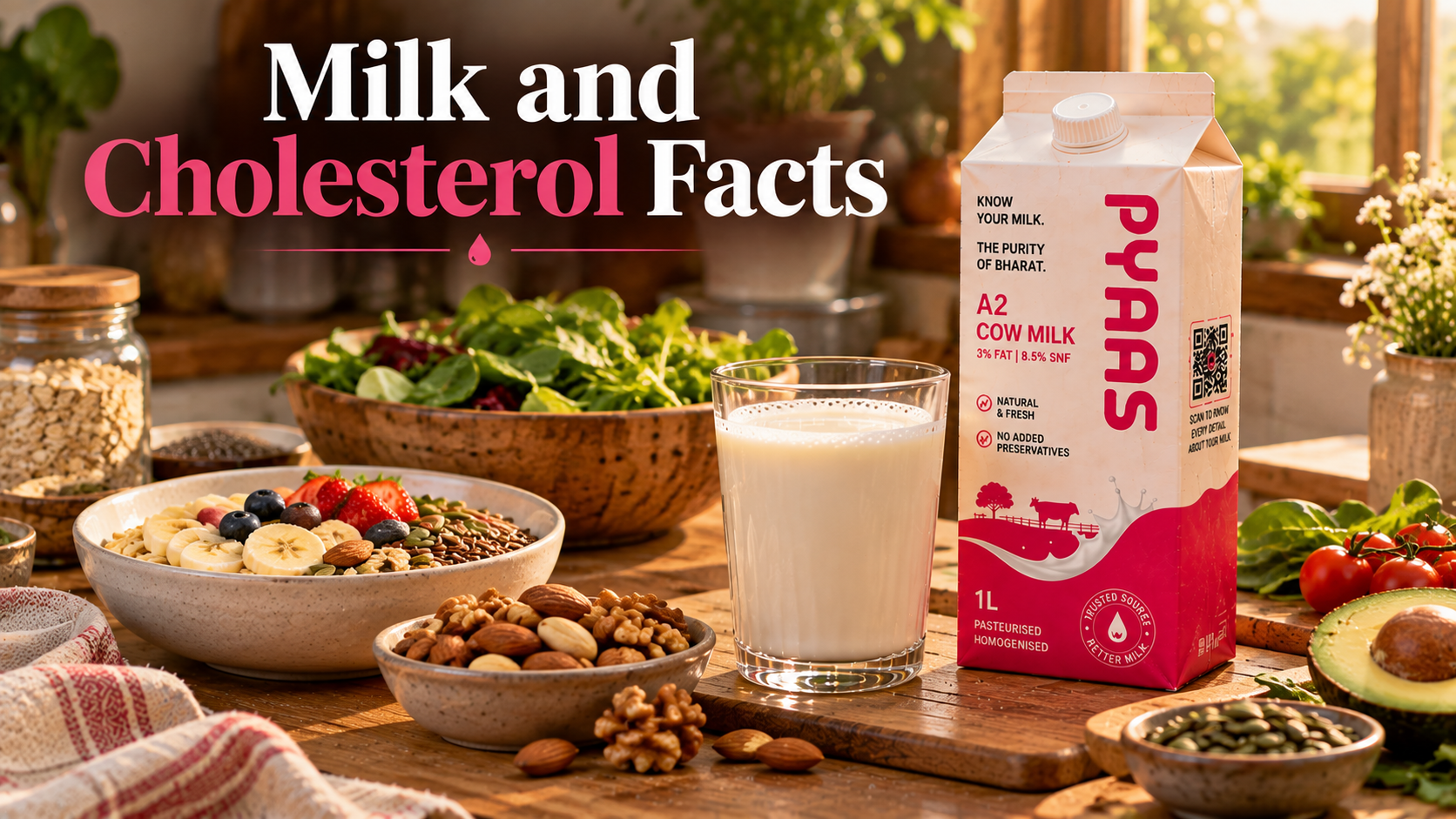
Few nutrition topics stir up as much unnecessary anxiety as fat and cholesterol, and milk often gets caught in the crossfire. Depending on who you ask, it is either a heart hazard to be avoided or a wholesome food unfairly maligned. The truth about milk and cholesterol sits, as it usually does, in the calm middle: milk contains saturated fat worth being mindful of, but the fearful headlines rarely match the nuanced evidence. Let us separate fact from fear.
Milk and cholesterol: what saturated fat actually means
Whole milk contains saturated fat, and dietary saturated fat can raise blood cholesterol for some people, which is where the concern comes from. That much is true. But two important nuances get lost in scary headlines. First, the amount of saturated fat in a sensible portion of milk is moderate, not extreme. Second, research over recent years has painted a more complicated, less alarming picture of dairy fat than the blanket warnings of past decades suggested, with the overall effect within a balanced diet appearing fairly modest for most people.
Cholesterol in the blood is also influenced by far more than any single food: your genetics, overall diet pattern, physical activity, weight, and other habits all play major roles. Pinning heart health on whether you drink milk is a big oversimplification. To understand what is genuinely in the glass, including its fat, our guide to milk nutrition facts lays it out plainly.
Full-cream, toned, or skimmed?
This is where you have a simple, practical lever. Fat content varies a lot by milk type, so if cholesterol is on your mind, it is a sensible place to adjust:
- Full-cream milk has the most fat and calories, fine in moderation for many, but the richest option.
- Toned milk sits in the middle, a common everyday balance.
- Skimmed milk has the least fat while keeping the protein and calcium.
None of these is poison, and none is a magic health drink. Choosing a lower-fat option is a reasonable step if you are watching saturated fat, but it is one adjustment among many, not a cure-all. Portion size matters just as much as the type.
Moderation beats fear
The most honest, evidence-aware advice here is unglamorous: moderation. For most healthy people, milk in sensible amounts fits comfortably into a heart-aware diet that is rich in vegetables, fruits, whole grains, and pulses, and not overloaded with processed food. Cutting out milk while the rest of the diet stays poor achieves very little. Milk delivers protein, calcium, and other nutrients that are genuinely valuable, so throwing it out over cholesterol fear often costs more than it gains.
Sensible, non-prescriptive habits
- Keep portions moderate rather than drinking large quantities of full-cream milk daily.
- Consider lower-fat milk if you or your doctor are managing cholesterol.
- Focus on your whole diet pattern, not on demonising a single food.
- Stay active, since physical activity influences cholesterol meaningfully.
- Get your levels checked and follow your doctor's guidance.
Does milk type beyond fat matter, like A2?
People sometimes ask whether A2 milk is better for cholesterol. Honestly, there is no reliable evidence that A2 milk lowers cholesterol or protects the heart, and it should not be sold that way. A2 refers to a protein difference that many people find easier to digest, and the science there is still settling; it is a digestion consideration, not a cardiovascular one. If that is your interest, our measured explainer on what A2 milk is keeps the claims grounded rather than inflated.
When to follow your doctor, not the internet
If you already have high cholesterol, heart disease, or a family history that puts you at higher risk, this is precisely where general articles reach their limit. A doctor or dietitian can look at your actual numbers and overall risk and tell you how much and what type of dairy fits your plan. Please treat that personalised advice as the final word. Milk is not the villain, but it is also not medicine, and no food should be used to self-manage a cardiovascular condition.
The honest takeaway
Milk and cholesterol have a relationship worth understanding, not fearing. Whole milk carries saturated fat that some people are wise to moderate, but within a balanced diet the effect for most is modest, and the evidence is far less alarming than old warnings implied. Choose a fat level that suits you, keep portions sensible, focus on your whole diet, and let your doctor guide you if you are at risk. That is the calm, factual middle ground, and it serves you better than either fearmongering or blind reassurance.
At PYAAS, we will not stoke fear or make heart-health promises milk cannot keep. What we do promise is honesty about the milk itself. When PYAAS fresh A2 cow milk launches in Lucknow from August 2026, every pack will carry a QR code showing the exact partner farm and that batch's quality-checked record. How milk fits your cholesterol picture is a conversation for you and your doctor; giving you milk you can genuinely trust and trace is the part we take care of.
Written by
PYAAS
PYAAS is an honest, traceable Indian dairy brand from Gonda, Uttar Pradesh.
More from PYAASCommon questions.
Does drinking milk raise cholesterol?
Whole milk contains saturated fat, which can influence blood cholesterol for some people, but the effect of milk within a balanced diet is generally modest. The evidence is more nuanced than old fears suggest. For milk and cholesterol, portion, fat content, and your overall diet matter more than milk alone.
Is full-cream or toned milk better for cholesterol?
Toned or skimmed milk has less saturated fat, which some people prefer if they are watching cholesterol, while full-cream milk has more. Neither is inherently dangerous in moderation for most people. If you have high cholesterol, your doctor can advise which fits your plan best.
Should people with high cholesterol avoid milk entirely?
Most people do not need to cut milk out entirely. Choosing lower-fat options, keeping portions sensible, and focusing on the whole diet usually matters more than banning one food. Anyone with high cholesterol should follow personalised advice from their doctor rather than a blanket rule.
Get the next one in your inbox.
The occasional note on milk, ghee, and how we work. Plain words, no hype, and you can leave any time.